A clear view today, a look ahead tomorrow.

Karlsruher Initiative für Talente und Entwicklung. A personal mentor from your degree programme supports you through your first semester, plus seminars and events on studying and working life.

What you get

As a first-year student

If you want to get more out of your studies.

  • Your own mentorFrom your programme, for a whole semester.
  • AI for your CV and cover letterAquila writes both as a finished PDF.
  • CertificateWith a QR code, for your CV.
  • Seminars and eventsGuests from business and research.
  • FreeMentors and organisers are all volunteers.

As a mentor

If you want to pass on what you have learned.

  • VolunteeringAbout 10 hours a semester.
  • AI for your CV and cover letterAquila writes both as a finished PDF.
  • Certificate and referenceWith a QR code, reference on request.
  • Seminars, events and professorsA meeting with professors just for mentors.
  • Run your own seminarIf you like, on your own topic.

KITE is not tutoring and not psychological counselling.

What you talk about

Anything that comes up in your first semester, and what comes after. A few questions first-year students often ask, and what an answer might sound like:

1 of 6

When is a student assistant job (HiWi) worth it?

Once you have settled into your studies, often from the second semester. Ask in tutorials and at the institute: many positions are only advertised there. You get to know the people behind the lectures and earn some money on the side.

5th semester, Digital Economics

How do I get involved in research projects early?

Go to office hours and ask whether there are small projects you could help with. People who think along and ask questions in tutorials get noticed. Many HiWi positions and later theses start exactly like that.

7th semester, Computer Science

When should I start looking for an internship?

Earlier than you think. Many companies recruit six months ahead. Use your first year to see what interests you, and ask people in higher semesters where they went.

7th semester, Industrial Engineering and Management

When should I plan a semester abroad?

In your first year. Applications usually close almost a year before you go, and places at popular partner universities fill up fast. Check early which universities your programme offers and what you can get credited.

5th semester, Mathematics

Is a study group worth it?

Almost always. Three of you on one sheet get through it faster, and you notice sooner what you have not understood yet. Just talk to the people next to you in the first tutorial; they are usually looking for one too.

3rd semester, Computer Science

Where do I meet people in Karlsruhe?

The student council’s events for first-years are the easiest way in, then university sport or a student group. If you like, we can go together the first time.

5th semester, Business Informatics

How your semester goes

You meet every 2 weeks for about 45 minutes, in person or online.

  1. First meeting

    You get to know each other and talk about your goal for the semester.

  2. A clear view

    The courses that really count and how to find a good study group.

  3. More than lectures

    Student assistant jobs (HiWi), projects at a chair and what is possible alongside your studies.

  4. Exams with a plan

    A revision plan, priorities and what worked for your mentor.

  5. Looking ahead

    Internships, a semester abroad and what comes after your degree.

After that, you decide for yourselves whether to carry on.

Seminars and events

One hour, one topic, someone who knows it well. For studying and for your first steps into working life.

Topics, for example

  • CVs and applications
  • Study methods
  • Working with AI
  • Starting a business

Our events bring guests from business and research, from former CEOs to founders. Seminars and events are open to everyone at KIT; tandems are invited to the seminars first.

Our advisory board

Our advisory board brings together people who support KITE with their experience.

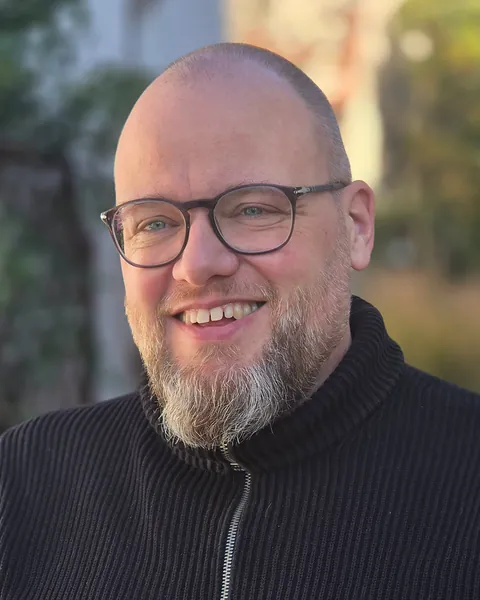
  • Portrait of Dr. Daniel Weiß

    Dr. Daniel Weiß

    Mathematics

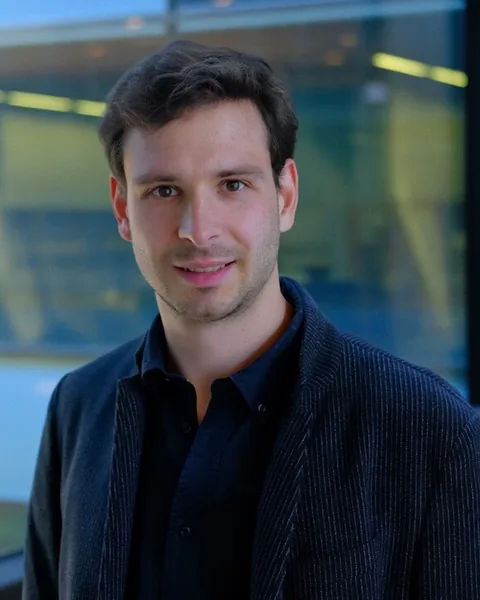
  • Portrait of Prof. Dr. Maximilian Förster

    Prof. Dr. Maximilian Förster

    Information systems

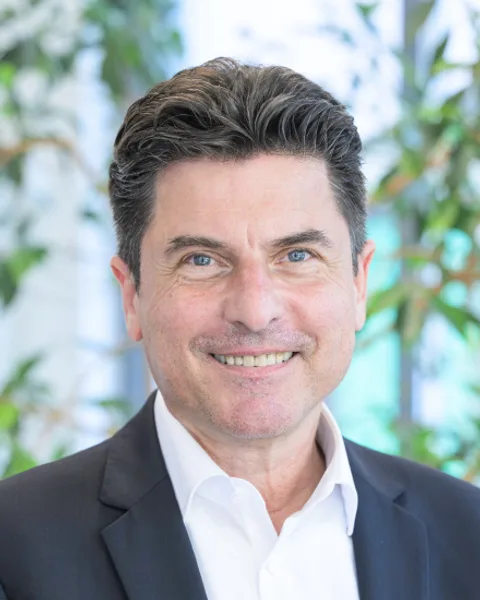
  • Portrait of Prof. Dr. Clemens Puppe

    Prof. Dr. Clemens Puppe

    Economics

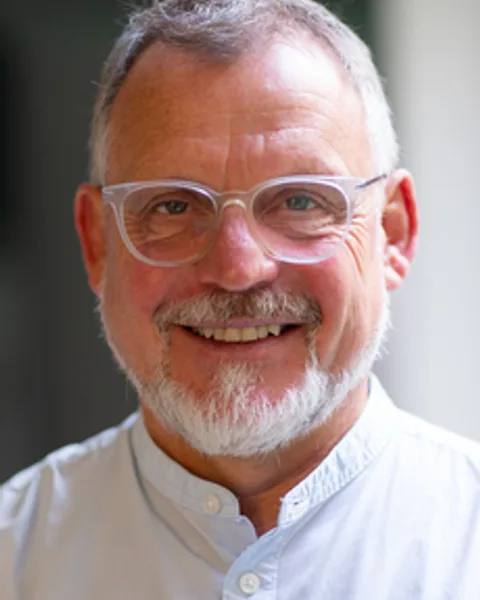
  • Portrait of Prof. Dr. Christof Weinhardt

    Prof. Dr. Christof Weinhardt

    Information systems

  • Portrait of PD Dr. Mathias Krause

    PD Dr. Mathias Krause

    Mathematics

More about the board

How we select

This is how the mentors in your degree programme see your application when they choose. We do not ask for grades.

Lena

Computer Science · Meeting: campus

Why would you like to take part in KITE?

Nobody in my family has been to university. I want to know from the start what matters and get into projects and HiWi jobs early.

What would you like to have achieved by the end of the semester?

A regular study group for maths, and knowing whether I am more interested in software development or data science.

Topics

  • Settling in and your timetable
  • Study groups and organising your learning
  • Student assistant jobs at KIT (HiWi)

Interests

  • Software development
  • AI and data

Hobbies

  • Sport
  • Music

Experience

  • Supermarket checkout · Part-time job, 2023 to 2025Alongside school, staying friendly even when it got busy.
  • Coach of an under-11 football team · Club or sport, since 2022
Only your own mentor sees your surname and KIT email address, after you have accepted your place.
  1. You apply

    About 5 minutes, no CV needed.

  2. Mentors choose

    The mentors in your degree programme choose for themselves whom they mentor.

  3. You accept

    Within 3 days. You hear back either way.

Were you a first-year student once?

From your 3rd semester, you can become a mentor and share how it went for you. About 10 hours over the whole semester, with a personal, verifiable certificate.

More for mentors

Frequently asked questions

Is KITE only for people who need help with their studies?

No. KITE is for everyone who wants to get more out of their degree than just getting through it. Your mentor shows you how to find HiWi jobs, internships and contacts early, and at the events you meet guests from business and research. If you get stuck, your mentor helps with that too.

How much does it cost?

Nothing. Mentors and the organising team are all volunteers.

Do I get a certificate as a first-year student?

Yes. If you stay with your tandem through the semester and give brief feedback at the end, you get a certificate in your account, as a PDF and for LinkedIn. Anyone can check that it is genuine with the certificate ID.

Which degree programmes are taking part?

Business Informatics, Computer Science, Digital Economics, Mathematics and Industrial Engineering and Management. All of them are confirmed.

What happens if I do not get a place?

Then you get a rejection by email at the end of the selection. You are still invited to open events and to seminars with free places, and from your 3rd semester you can become a mentor yourself.

Anything else? Ask us directly: info@kite-karlsruhe.de